Coverage
This site focuses on three core topics in building preservation: the technical specifics of concrete and masonry repair, the assessment methods that catch problems before they become structural, and the restoration standards that separate durable work from quick fixes. Not every masonry contractor needs to know this depth, but every building owner benefits when theirs does.
You'll find both the how and the why—technique matters, but so does understanding what makes a repair method appropriate to the situation, the material, and the local climate. Most of what I publish sits at the intersection of detailed technical guidance and the professional standards that govern this work.
Understanding Quality Pointing
Visual Reference

Composition Matters
Mortar quality depends on the ratio of lime to sand, the type of sand, and the additives used. A repair mortar must match the original composition closely enough to allow both materials to move together without cracking when the building settles or temperature shifts.
Application Is Everything
Even the perfect mortar fails if it's packed poorly into the joint. The trowel technique, the packing density, and the timing of the tooling all affect how long the repair lasts. Many failed repointing jobs use decent mortar applied with bad technique.
How to use it
Are you assessing a building's condition?
Start with the guides under "assessment frameworks." They walk through what to look for in brick, stone, and concrete—the visual markers that tell you whether a facade is stable or failing, and whether a repair is urgent or can wait a season. Each one connects to the standards bodies that set those benchmarks.
Are you planning a specific repair method?
Search for the repair type—repointing, sealing, crack injection, facade cleaning. The content there covers when to use that method, why it works, and what can go wrong if it's applied to the wrong material or condition. Most entries cite the technical resources that contractors reference when they spec the work.
Are you reading existing content and want to understand a term?
The definitions section breaks down jargon—mortar durability, masonry unit strength, coating compatibility—in plain terms. If something linked here doesn't answer it, that signals the term deserves its own deeper treatment, and it's worth asking about.
Common sticking points
- Why does this site spend so much time on mortar?
- Because mortar is the repair that appears most often and gets wrong most often. Concrete sealers and crack injection are specialized; repointing happens on nearly every older building in New England, so the compounding effect of incorrect mortar composition or installation technique is large. This site emphasizes it proportionally.
- What if I work with a contractor who doesn't follow these standards?
- Print the relevant brief and bring it to them. These aren't guidelines I invented—they're published by federal agencies, trade associations that have governed materials for seventy years, and the labor bodies that train the crews. A contractor who won't reference them is unlikely to deliver durable work, and that's worth knowing before you sign.
- Does this assume I'll hire someone, or can I DIY minor repairs?
- Some repairs require licensed contractors and specialized equipment. Repointing and sealing can be done by a homeowner on a small section, but the same standards apply—wrong mortar composition and bad technique still fail. If you go the DIY route, the technical guides here are exactly what you need, because they tell you what durability looks like when you're done.
- Is there anything specific to my region's climate?
- Freeze-thaw cycles in New England, radon in certain areas, and seasonal humidity swings all change what repair method is appropriate. Where the content differs by region, it's called out explicitly. When you see a repair recommended by geography rather than just material type, that's why.
Where these standards come from
-
National Park Service — Preservation Briefs
The federal reference on repointing and cleaning historic masonry, including Brief #2 on mortar-joint repointing.
-
Brick Industry Association — Technical Notes
The standing technical reference for brick masonry design, detailing and durability since 1950.
Reading the Stone
Surface Degradation
Stone masonry degrades in patterns. Softer stones erode faster. Freeze-thaw cycles create distinctive spalling patterns. Understanding what you're seeing—whether it's weathering, chemical attack, or structural movement—is the first step to choosing the right repair method for the material.
Joint Assessment
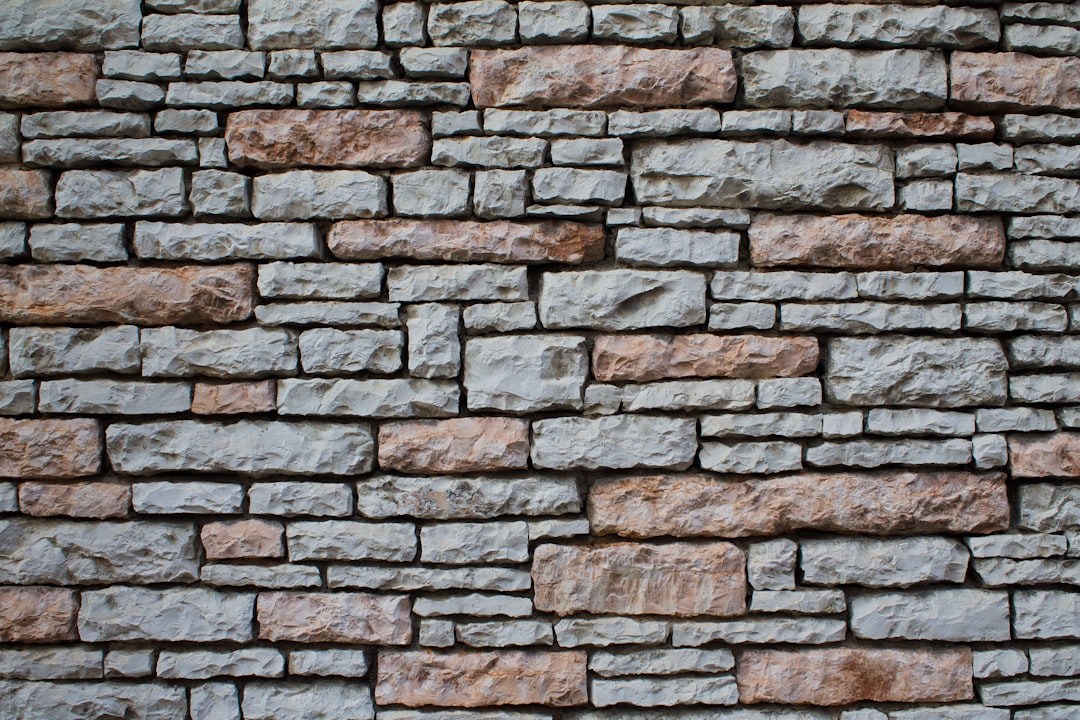
The mortar joints themselves tell the story. Recessed joints indicate past movement or settling. Mortar that's pulling away from the stone edges is a signal of incompatibility. Some joints are failing while others are sound, which tells you the original repair work varied in quality or materials.
Texture and Detail
What you'll find here
Deep dives into repair methods—how repointing is done correctly, why sealer choice matters, what crack injection can and cannot fix. Case studies from actual buildings showing what deterioration looks like and what durable restoration looks like after. Definitions, standards references, and the occasional caveat about a repair method that sounds good but fails in practice. Nothing here is opinion; everything is sourced to the technical standards that govern this work.
If you work with Abbot Building Restorati or another contractor doing concrete masonry restoration in New England, you already benefit from this knowledge. If you're still shopping for someone to do the work, this site is a straight look at what quality restoration actually requires.